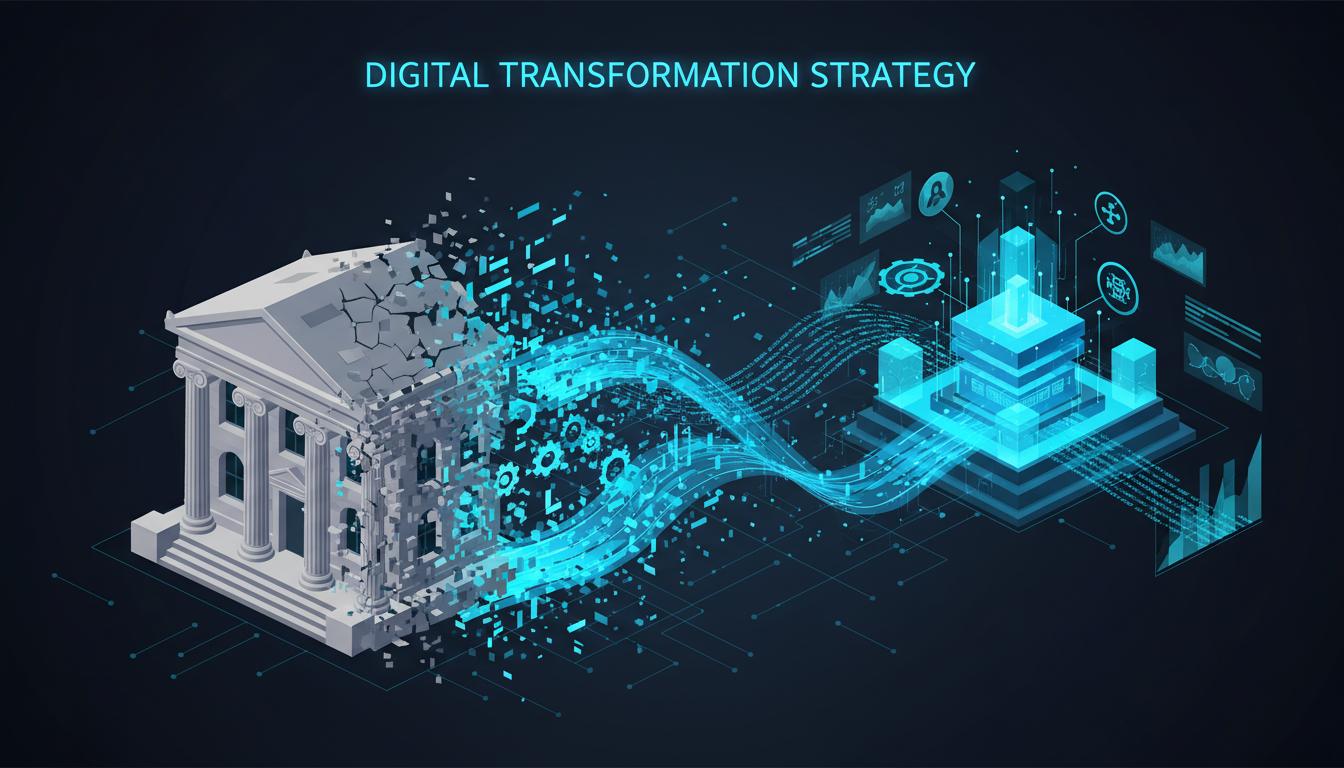
The term "digital transformation" has been overused to the point of meaninglessness. For many leaders, it conjures images of expensive IT projects, cloud migrations, and app launches that do not change anything fundamental about the business. That is not transformation. That is digitization — and it is barely table stakes in 2026.
Real digital transformation is something deeper and more consequential. It is a fundamental rethinking of how your business creates, delivers, and captures value using digital capabilities. It changes your business model, your customer relationships, your operational processes, and sometimes your entire industry position. Technology enables it, but the transformation is strategic, not technical.
The Competitive Reality
Every industry is being reshaped by companies that understood this distinction. Netflix did not just put video rentals online — it reimagined content distribution and production. Tesla did not just add software to cars — it reimagined transportation, energy, and vehicle ownership. These are not technology stories. They are business model stories enabled by technology.
The companies that threaten your business are not the ones with better technology. They are the ones with a better understanding of what technology makes possible.
What Real Transformation Looks Like
We have helped companies across industries — financial services, healthcare, logistics, retail — think through genuine digital transformation. The pattern is consistent: start with customer value, not technology capability. What do your customers need that they cannot get today? What friction in their experience could be removed? What new value could you create if you were not constrained by your current operational model?
One client, a logistics company, thought they needed a better tracking app. Through strategic work, we discovered their real opportunity was transforming from a transportation provider into a supply chain intelligence platform. The app was just the entry point. The transformation was a new business model that used data to optimize their customers' entire supply chains — something impossible in their old operational structure.
Questions that reveal transformation opportunities:
- What do customers tolerate because they have no alternative?
- What data do you collect that you are not using to create value?
- What would your business look like if it were born today, digitally native?
- Which of your processes exist because of legacy constraints, not real requirements?
- What ecosystem could you participate in or create?
The Execution Challenge
Strategy without execution is hallucination. The hardest part of digital transformation is not the strategic insight — it is the organizational change required to deliver it. Transformation threatens existing power structures, requires new skills, demands different metrics, and asks people to work in unfamiliar ways. The technical challenges are solvable. The human challenges determine success or failure.
Digital transformation fails not because the technology is hard, but because the organization resists the change it requires. The technology is the easy part. The people and culture are where transformations live or die.
Starting the Journey
Transformation does not require a three-year roadmap and a hundred-million-dollar budget. It starts with one team, one customer journey, one process reimagined. Prove value in a small domain, then expand. Learn what works in your organization, then scale. The companies that succeed at transformation are the ones that start before they feel ready and learn as they go.
If you are a leader considering digital transformation, our advice is simple: do not start with technology. Start with your customer. Understand their unmet needs deeply. Then ask what digital capabilities could meet those needs in ways your current business cannot. The strategy that emerges will be specific to you, not generic best practice. And it will have a chance of actually working.
InMotion Team
InMotion Hub is a software engineering and developer training company. We build scalable digital products and help businesses grow capable technical teams. Our insights come from years of hands-on experience building products and training engineers across industries.
About InMotion HubReady to Build Something That Matters?
Whether you need a product built or a team trained, we are here to help you create lasting value through great software and great engineers.